Hours: Monday to Friday from 9:30 to 20:30 / Saturday from 10 to 20.30 / Sunday and Holidays from 11:30 to 14:30 & 17:30 to 20:30 Pau Claris 144 Barcelona - 93.317.25.27 - correu@documenta-bcn.com
Hasta el momento, solo los trabajos científicos de 17 mujeres hansido galardonados con el Premio Nobel. Marie Curie fue la primera,en 1903 y 1911, seguida de su hija Irène Joliot-Curie en 1935,pero otras permanecen en la sombra. Son conocidas las biólogasFrançoise Barré-Sinoussi, premiada en 2008, B...
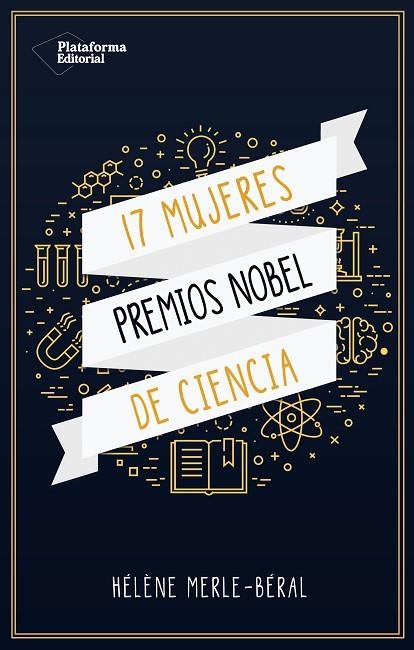
Hasta el momento, solo los trabajos científicos de 17 mujeres han sido galardonados con el Premio Nobel. Marie Curie fue la primera, en 1903 y 1911, seguida de su hija Irène Joliot-Curie en 1935, pero otras permanecen en la sombra. Son conocidas las biólogas Françoise Barré-Sinoussi, premiada en 2008, Barbara McClintock (1983) y Rita Levi-Montalcini (1986), pero ¿quién ha oído hablar de Linda Buck, Ada Yonath, Elizabeth Blackburn o Tu Youyou? Este libro presenta las trayectorias, a menudo sorprendentes, de estas mujeres que alcanzaron la excelencia en un medio que fue y sigue siendo en gran medida masculino.
¿De dónde surge su curiosidad? ¿Cómo conciliaron la investigación con la vida familiar? ¿Cómo las acogió el mundo científico? Esta brillante serie de biografías muestra la diversidad de sus orígenes sociales y sus características particulares, con una feroz independencia de espíritu y una perseverancia a toda prueba como puntos comunes.
El cuadro científico no es menos variado, desde el núcleo atómico hasta los ribosomas y los genes saltarines, aunque solo existen tres mujeres Premios Nobel en el ámbito de la física. Este libro es una oportunidad para reflexionar sobre la importancia cultural y social del género en la investigación científica. La vieja máxima de «La mente no tiene sexo» no deja de verificarse.
This website stores data as cookies to enable the necessary functionality of the site, including analytics and personalization. You can change your settings at any time or accept the default settings.
Necessary cookies help make a web page usable by activating basic functions such as page navigation and access to secure areas of the web page. The website cannot function properly without these cookies.
Personalization
Personalization cookies allow the website to remember information that changes the way the page behaves or the way it looks, such as your preferred language or the region in which you are located.
Analysis
Statistical cookies help web page owners understand how visitors interact with web pages by collecting and providing information anonymously.
Marketing
Marketing cookies are used to track visitors on web pages. The intention is to show ads relevant and attractive to the individual user, and therefore more valuable to publishers and third-party advertisers.