Hours: Monday to Friday from 9:30 to 20:30 / Saturday from 10 to 20.30 / Sunday and Holidays from 11:30 to 14:30 & 17:30 to 20:30 Pau Claris 144 Barcelona - 93.317.25.27 - correu@documenta-bcn.com
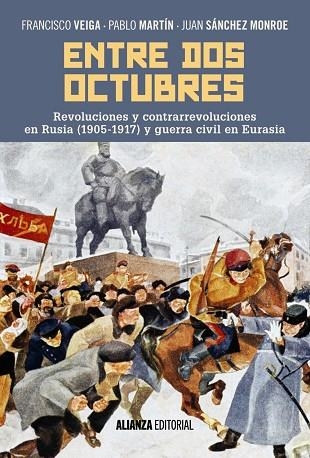
El siglo XX, parafraseando a Moshe Lewin, fue el «siglo soviético». Si consideramos que 1914 marca el inicio real del siglo, al cortar la Gran Guerra abruptamente con el antiguo régimen decimonónico, y 1991 señala su final con la descomposición de la Unión Soviética, podemos entender fácilmente hast...
Autores :VEIGA, FRANCISCO/MARTÍN, PABLO/SÁNCHEZ MONROE, JUAN
NumeroPaginas :672
Coleccion :ALIANZA ENSAYO
El siglo XX, parafraseando a Moshe Lewin, fue el «siglo soviético». Si consideramos que 1914 marca el inicio real del siglo, al cortar la Gran Guerra abruptamente con el antiguo régimen decimonónico, y 1991 señala su final con la descomposición de la Unión Soviética, podemos entender fácilmente hasta qué punto el Estado surgido de la Revolución de 1917 ?o el desarrollo de la revolución, propiamente dicha- ocupan el centro de lo que se ha dado en denominar el «siglo más corto», en brillante propuesta del historiador húngaro Ivan Bérend, que hizo célebre Eric J. Hobsbawm. Precisamente por ello queda mucho que decir sobre la Revolución rusa de 1917: sobre sus orígenes dentro y fuera del Imperio zarista; su comienzo real en 1905 y su dinámica más allá de la ciudad de Petrogrado y de los líderes bolcheviques; su electrizante expansión por Eurasia; y sobre la visión marxista-leninista, nacionalista rusa o neoliberal anglosajona.
This website stores data as cookies to enable the necessary functionality of the site, including analytics and personalization. You can change your settings at any time or accept the default settings.
Necessary cookies help make a web page usable by activating basic functions such as page navigation and access to secure areas of the web page. The website cannot function properly without these cookies.
Personalization
Personalization cookies allow the website to remember information that changes the way the page behaves or the way it looks, such as your preferred language or the region in which you are located.
Analysis
Statistical cookies help web page owners understand how visitors interact with web pages by collecting and providing information anonymously.
Marketing
Marketing cookies are used to track visitors on web pages. The intention is to show ads relevant and attractive to the individual user, and therefore more valuable to publishers and third-party advertisers.